
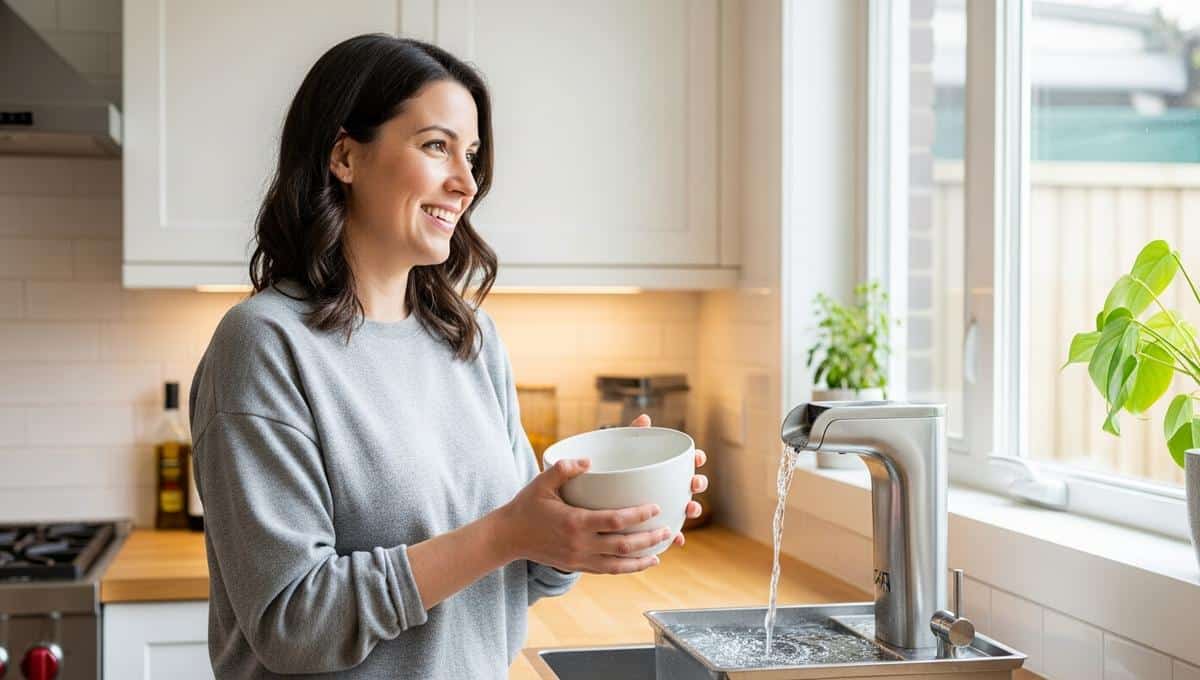
Many homes still rely on a basic bowl, yet hydration needs often go unmet for cats. Owners notice concentrated urine, small clumps in the litter, or bouts of cystitis. The question returns each spring: will a water fountain really help, and at what cost?
Why still water bowls fall short
Domestic felines descend from desert survivors, so thirst cues can be weak. Dry diets reduce moisture intake further, and still water may seem stale. In many kitchens, bowls sit by food, which some pets dislike. As a result, they drink late, and sometimes not enough.
The health stakes are real, from urinary crystals to painful inflammation. More fluid helps flush the bladder, and stress control matters too. A mix of wet food and fresh water often works best. Aim for about 50–60 ml/kg/day, adjusted with your vet’s advice.
Do fountains change behavior?
Moving water can draw attention, because ripples look and taste fresh. Flowing surfaces release scents, which guide drinking. Many owners report longer sips and more visits. Yet noise, draft, or placement can put a cautious pet off.
« Running water can entice some felines to drink, but hygiene matters more than gadgets. »
Evidence remains modest, yet practical reports are consistent. When a fountain is quiet and clean, intake can rise. Regular care is the difference between help and hassle. Therefore, match the device to the home and routine of your cats.
Material choices matter for cleanliness and comfort. Stainless steel and glazed ceramic resist odors and biofilm. Plastic may mark or cause chin issues in sensitive pets. Place water far from food and litter, and offer several small stations.
- Change water daily; wash parts that touch water each time.
- Deep-clean and descale the device weekly.
- Use wide, shallow bowls to reduce whisker stress.
- Serve more wet food or add spoonfuls of water to meals.
- Call your vet if you see blood, straining, or frequent trips.
Choosing and maintaining a fountain
Before buying, review noise, flow options, and tank size. Quiet pumps help timid pets relax, especially at night. Flow settings let you tune trickle, bubble, or stream. In small flats, cable safety and splash control matter a lot.
To readCar windshield: 3 quick tips to defrost in minutes this winterFrom Lidl, a compact option features a spring-like flower spout. It lists a capacity of 1.5 liter, three configurations, and a price of 14.99 euros.
Filters trap hair and improve taste, yet they need regular swaps. Foam pre-filters protect the pump; carbon helps with odor. Replace parts as the manual suggests, since water quality varies. If you hear gurgling, clean the impeller and refill right away.
Track intake with a jug or smart plug timer to plan refills. Write cleaning tasks on a calendar to keep biofilm down. In multi-pet homes, raise or shield the unit to reduce mess. Tracking how much cats drink can flag health changes early.
Good alternatives when a fountain is not a fit
Some pets prefer silence, sunlight, or a window perch. Try several bowls at different heights and rooms. Offer a glass or ceramic salad bowl for a broader surface. Add ice cubes in summer, and rotate the main spot weekly.
The zoofari® unit is a larger pick for busy homes. Its tank holds 2.7 liters, which suits tall drinkers and thirsty cats.
Flavor can help without hidden salt or onions. A teaspoon of unsalted broth or tuna water can tempt sips. Mix water slowly into meals to avoid sudden refusals. Thus, you keep hydration steady while habits change.
When hydration becomes a medical issue
Watch for straining, frequent trips, or vocal pain in the tray. Urgency, small clumps, or urine outside the box needs action. Call your vet the same day, since blockages are dangerous. Early care reduces pain and shortens recovery time.
To readCats: do water fountains really help them drink more than bowls?Kidney disease and diabetes change thirst and output patterns. Keep notes on drinking volume and litter weight if you can. Home data helps the clinic judge trends between visits. Therefore, simple logs can guide tests and treatment.
Water quality matters for taste and safety. If tap water smells of chlorine, chill it in the fridge first. Rinse parts well after soap to avoid residue. In many homes, small daily steps keep cats comfortable and safe.
Crédit photo © DivertissonsNous