
Seeing gnawed wires or a tail at dusk can unsettle any home. When rats move in, you need a calm, practical plan that protects people, pets, and the environment. Together, we can tackle the problem step by step.
Start by blocking every entry
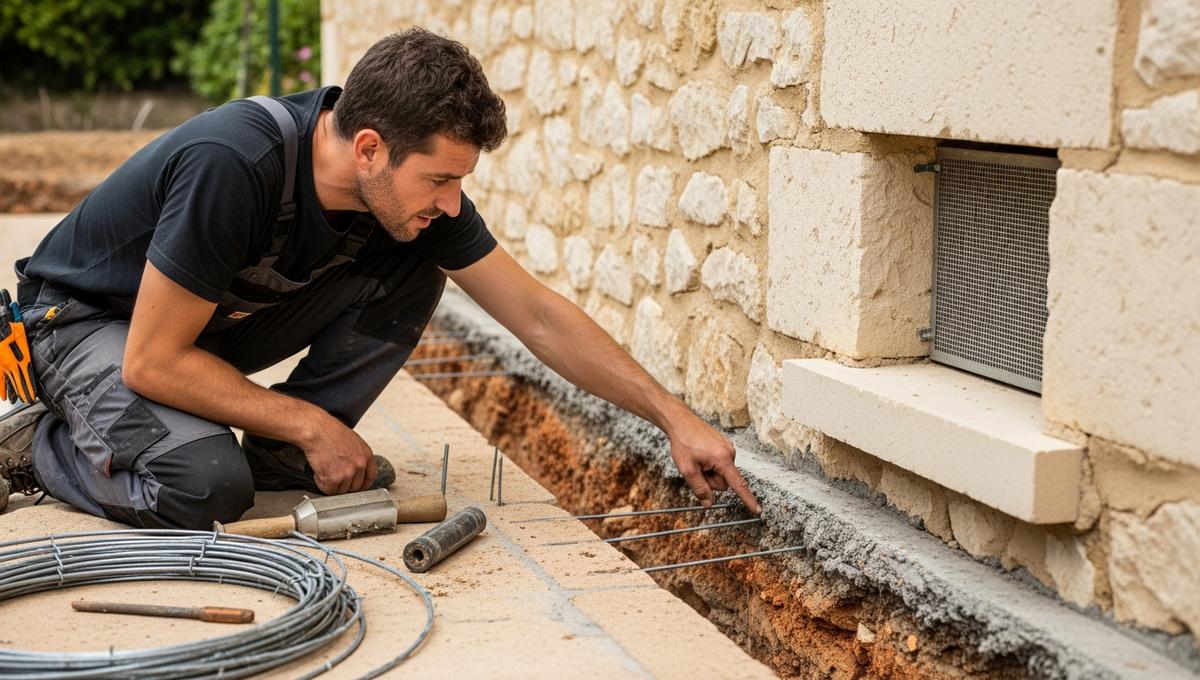
Begin with the building envelope. Because a small gap invites a big problem, inspect from roof to drain. Add metal plates over chewed edges, and pack gaps with mortar. Moreover, reinforce vents with galvanized wire mesh that rodents cannot bite.
Expanding foam seals air, not teeth. Instead, back it with wire mesh before you render the surface. Thus, screws and washers hold plates firm under stress. Foam alone fails against rats.
Map likely routes: utility lines, pipe entries, crawl spaces, and under doors. Therefore, fit brush strips, cap drains with proper grates, and screen weep holes. Also, photograph before-and-after to track progress. Finally, set a reminder to re-check each quarter.
« Seal first, then treat; prevention multiplies every later result. »
Remove food, water, and shelter
Sanitation changes the odds fast. Store staples in sealed boxes, and secure bins with tight lids. As a result, attractants drop, and rats lose interest. Also, feed pets indoors, wipe bowls, and keep compost balanced and covered.
To readRats: 3 proven tips to eliminate them from your home and gardenPrune dense ivy, lift woodpiles on racks, and reduce clutter along walls. Consequently, hiding spots vanish and patrols become easier. Keep grass short near foundations to reveal tracks. Also, fix leaks and empty standing water trays.
- Seal gaps with mortar backed by wire mesh.
- Screen vents and drains with sturdy galvanized mesh.
- Secure waste and clean food areas each evening.
- Place traps along walls and known runways.
- Refresh repellents on entry points after cleaning.
Traps and lures that respect your home
Choose tools you can manage well and consistently. Snap, electric, or multi-catch devices all have a place when used correctly. Moreover, small baits draw big results: peanut butter, chocolate spread, fatty seeds, or apple pieces. Place devices along travel lines and pre-bait before arming to build trust in traps for rats.
Safety comes first for people, pets, and wildlife. Therefore, anchor devices, use boxes with keys, and keep them out of reach. Check daily, remove catches promptly, and clean stations with care. Also, follow local guidance on disposal and humane practices.
Some smells help guide behavior without toxins. In fact, peppermint essential oil and white vinegar can push back activity on entry points, yet they do not solve nesting by themselves. Meanwhile, ultrasonic devices show mixed results and require frequent repositioning. Thus, treat these tools as complements, not sole fixes for rats.
Outdoors, sheds, and gardens
Focus on edges where buildings meet soil. Line shed floors and deck bases with galvanized wire mesh before you add gravel. Also, wrap coop sides with tight hardware cloth to protect feed. Next, store bird seed in sealed tubs and sweep spill zones daily.
Mind water paths as much as food. Clear gutters, repair cracked pipes, and fit guards on drain entries to deter rats. Consequently, burrows shrink when soil stays dry and compact. Also, speak with your municipality if you suspect sewer entry points near your block.
Monitor progress and stay safe
Evidence guides decisions better than guesswork. Track droppings, gnaw marks, and smear trails along baseboards and pipes. Then dust safe areas with a light sprinkle of flour to read footprints. Also, log what you see weekly to spot trends and gaps.
Protect your health while you clean. Wear gloves and a mask, and avoid dry sweeping that lifts dust into the air. Instead, damp-wipe surfaces and bag waste tightly before disposal. Also, refresh a light white vinegar wipe on entry points after cleaning, since strong smells can disrupt paths used by rats.
To readRats: A common evening habit draws rats and insects to your home while you sleep, change it to keep them outKnow when to scale up the response. If you see daytime activity, repeated damage, or multiple burrows, call a licensed professional. Consequently, specialists can map runways, select targeted tools, and advise on building changes. Also, coordinate with neighbors, since shared walls and gardens often mean shared responsibility.
Crédit photo © DivertissonsNous