
When winter bites or summer blazes, many gardeners assume the cold or heat is to blame for tired plants. In reality, drought stress is the quiet culprit, and rapid, targeted care can turn the tide. For lavender, the difference between survival and decline often lies in what happens at the roots.
Thirst, Not Frost: Why lavender Struggles Across Seasons
Cold spells get the blame, yet long dry periods do more damage. Wind pulls moisture from foliage, while poor soil structure starves roots of air. In beds and in pots, lavender falters when the root zone dries hard or stays soggy. For steady vigor, aim for full sun, 6–8 hours, and sharp drainage.
Here is the core problem: roots need both water and oxygen. Dry, compacted ground deprives them of moisture; waterlogged substrates deprive them of air. Consequently, stems dry out from the base, and growth stalls. In containers, heat and wind speed up this cycle.
Frost may scorch tips, yet many plants bounce back from the base in spring. The real risk sits in the soil profile, not on the foliage. So, watch the moisture pattern before suspecting cold. Thus, diagnosis starts with your fingers in the soil.
« Most winter losses look like cold damage, but they often begin as root stress from thirst or poor drainage. »
Spot the Early Stress Signals in lavender
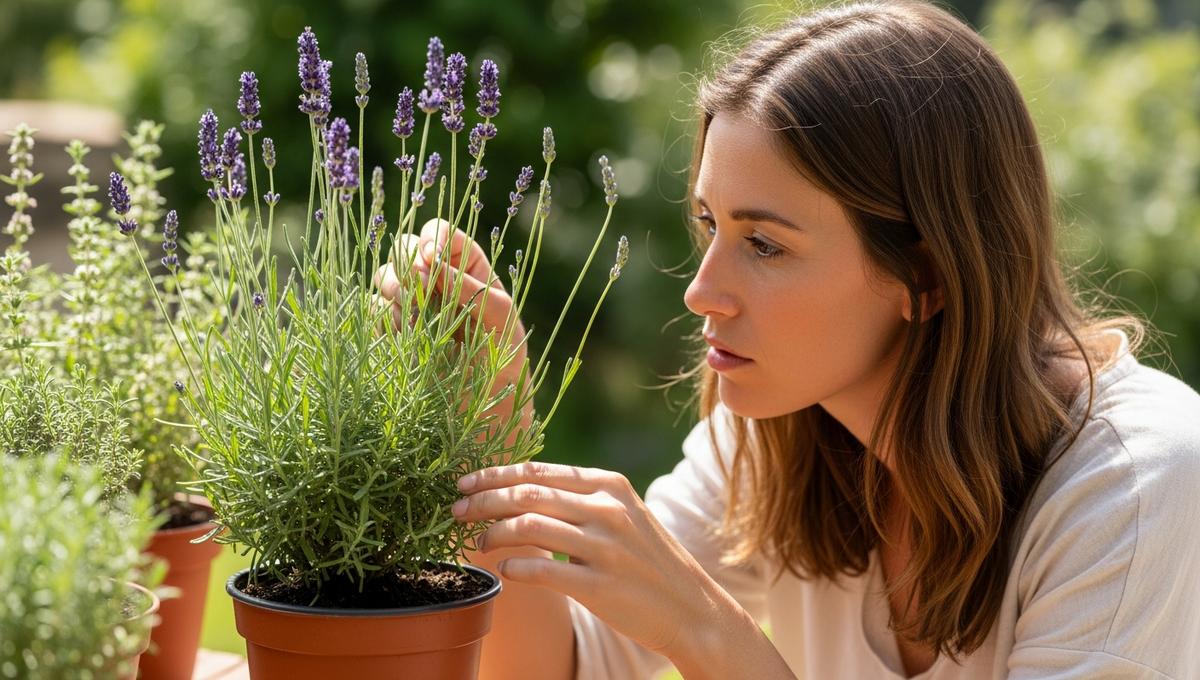
Leaves that once looked perky now droop and feel dry at the touch. Pale, silvery foliage and brittle stems point to thirst. So, check the top few centimeters of soil and the pot’s weight. If the mix is dusty and shrinking from the sides, water has been missing for too long.
To readRemove a tree stump without digging: a little-known, non-invasive method that preserves your gardenOverwatering paints the opposite picture: limp growth, yellowing leaves, and a dark, soft crown. Sometimes a sour smell rises from the pot, and roots look brown instead of creamy. As a result, drainage must improve fast, or rot spreads upward. Therefore, tilt the container, clear the saucer, and let air reach the crown.
- Feel soil moisture before watering, not after problems appear.
- Water deeply, then wait for the mix to dry down.
- Lift pots regularly; weight changes reveal hidden thirst.
- Add coarse grit to boost structure and airflow.
- Shelter plants from drying winds during stress periods.
Watering, Drainage, and Soil: A Practical Care Plan
Young plants need consistency as roots establish. During dry spells, a deep soak can help them settle, especially in light soils. Water in the morning so foliage dries fast. In fact, a slow pour at the root zone works better than frequent splashes.
Ground-grown shrubs hold moisture longer than containers. So, wait until the top layer dries before watering again. In heat waves, test with your finger rather than a fixed schedule. By contrast, pots may need attention sooner because they warm up and vent moisture.
Soil texture decides outcomes more than any gadget. A gritty blend with coarse minerals keeps pores open and roots supplied with air. Good drainage is non-negotiable, even in rainy months. For bedding, consider raised spots or sloped edges to shed excess water for lavender.
Winter care rewards restraint. Reduce watering as days shorten, yet keep winds in mind. Consequently, containers benefit from pot feet to free the drain hole. Instead of thick bark, use a mineral mulch that dries fast and warms quickly.
Pruning and Seasonal Timing
After flowering, trim back by roughly a third to keep a compact dome. Shape lightly and avoid cutting into old wood that shows no green. As a result, buds develop on younger stems, and the plant stays dense. Never cut into leafless wood, even if it looks tempting.
Timing matters for planting and moving. In colder areas, spring planting limits winter losses and aids rooting. In mild zones, autumn can work if the soil drains well. So, set the crown at soil level, water once to settle, and let the site dry between irrigations.
Containers, Transplants, and Climate Risks for lavender
Container choice influences root health day by day. Terracotta breathes, which helps in wet spells, but it also dries quicker in heat. Crucially, the pot must have at least one large drainage hole. Therefore, use pot feet or bricks to prevent trapped water under the base.
When a potted shrub sulks, a rescue repot can help. Slide the plant out and inspect roots; trim dead parts cleanly. Repot into a drier, gritty mix, and water once to settle. Then wait, and let new root tips chase air and space.
To readFruit trees stay frost-safe this winter with a 2-ingredient mud mix few use todayTransplant shock shows as droop and pallor. For a week, give filtered light and protection from wind, then restore full sun. Meanwhile, avoid fertilizers that push soft, weak growth. No rich compost or high nitrogen; structure beats feed.
Weather swings are now more common, and planning ahead reduces losses. During heat waves, water early, then let the mix breathe through the day. When cold snaps arrive, move containers near a bright wall and keep crowns dry. With these habits, your lavender keeps its shape, scent, and steady color.
Crédit photo © DivertissonsNous