
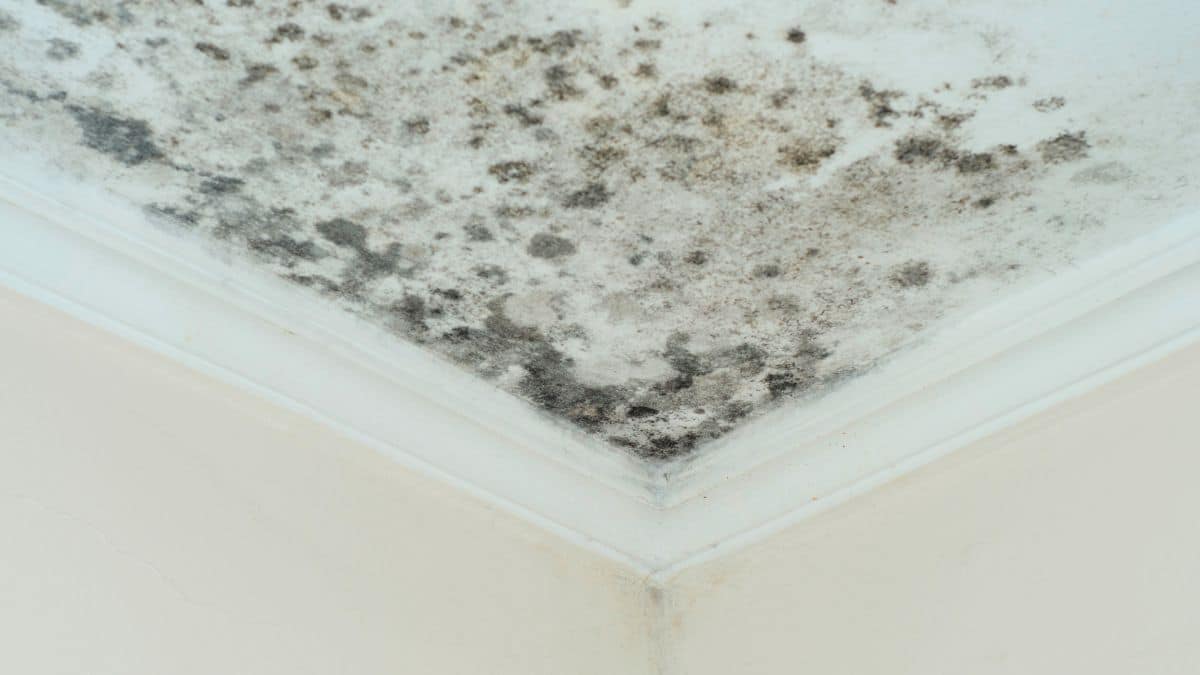
Cold mornings, steamed mirrors, and damp towels set a familiar winter scene. Bathrooms trap humidity, and that excess moisture quickly invites mold. There is, however, a simple habit that reduces risk without straining your budget.
Winter bathrooms: why moisture spikes and mold follows
Hot showers fill a small room with warm vapor. On cold tiles and paint, that vapor turns to droplets. As surfaces cool, relative humidity rises fast beyond safe levels. Mold then finds the nutrients it needs on soap film and dust.
Windows tend to stay shut in winter, and vents often go unchecked. Towels dry slowly, while bath mats stay wet on the floor. Consequently, condensation lingers on grout lines and silicone. That’s how black spots spread in corners and around the tub.
A recent French home guide points to an overlooked habit. Open the bathroom window wide, right after a shower, for 5–10 minutes. Keep the door closed to the hallway, and run the fan. This short, sharp airing flushes steam quickly and costs very little.
« Open the bathroom window wide for 5–10 minutes right after a hot shower: it dumps steam fast without chilling the home. »
How to air out effectively in the cold
Act as soon as you finish showering. First, switch the extractor to high, then open the window fully. Meanwhile, close the door to the house to keep warmth in other rooms. Finally, pull a squeegee over walls and glass to remove film.
To readRemove a tree stump without digging: a little-known, non-invasive method that preserves your gardenTrack the room with a small hygrometer, if possible. Aim for 40–60% relative humidity before closing the window. A brief boost from a towel radiator helps warm surfaces, too. As a result, condensation drops and drying speeds up.
- Squeegee tiles and glass after each shower.
- Let the fan run for 15 minutes after bathing.
- Hang bath mats to dry in a ventilated spot.
- Clean extractor grilles and ducts every season.
- Keep an undercut gap under the door for airflow.
Daily habits that cut moisture at the source
Shorter, slightly cooler showers release less steam. Because water cools on contact with air, lower temperature means less vapor. Shampoo and soap up with the water off when you can. Then rinse quickly to curb fog.
STARWAX — Anti-moisissures Joints Salle de bains 500ml helps when stains have set on grout. Priced at 8,95€, it targets black marks on joints; ventilate well and follow the label.
Dry textiles away from the bathroom whenever possible. Otherwise, you keep feeding the room with moisture. Place a bowl of desiccant salts as a low-cost help, too. This simple step can buffer spikes in humidity between showers.
When ventilation is not enough: maintenance and fixes
Check your fan’s draw with a tissue test; the sheet should pull toward the grille. Clean the cover and ductwork twice a year, because dust blocks airflow. Ensure a 1.5–2 cm gap under the door for make-up air. If the fan rattles or stalls, schedule a repair.
Hunt down small leaks around taps and seals. Regrout cracked lines, and refresh silicone with a mold-resistant bead. Wear gloves and a mask for any spot treatment. Never mix bleach with acids, as harmful fumes may form.
Health, safety, and cost: what to expect this winter
Mold and damp air aggravate asthma and rhinitis in sensitive people. Children and older adults feel these effects sooner. Therefore, keep a steady room temperature around 19–21°C. A stable climate supports the 40–60% humidity target.
Many people fear heat loss when airing in winter. Yet short, wide opening is efficient and gentle on bills. Because steam exits quickly, the room dries before surfaces chill. By contrast, a window cracked for hours wastes more energy.
To readFruit trees stay frost-safe this winter with a 2-ingredient mud mix few use todaySet a simple routine and log it on the door. After each shower, squeegee, run the fan, and vent for 5–10 minutes. Weekly, wash curtains, mats, and shower seals. This cadence maintains comfort and keeps humidity in check through the cold months.
Crédit photo © DivertissonsNous