
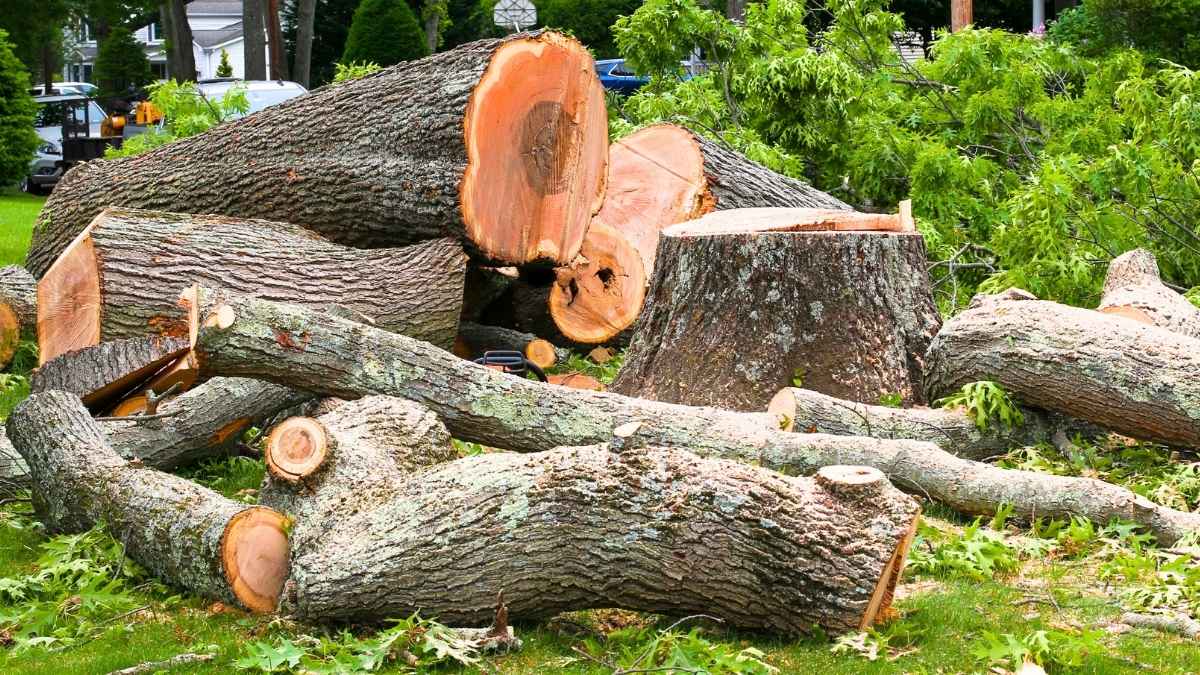
Tree stumps can linger for years and disrupt plans. Yet when you need to remove a tree stump, a gentle, biology‑first method helps. So it avoids yard carnage, cuts noise, and respects roots near utilities.
A gentle, little‑known way to remove a tree stump
Instead of grinding or chemicals, this approach invites fungi to work. These mushrooms colonize the wood and digest it over time. Progress is gradual, often over 12–36 months, yet garden life thrives.
Because the roots stay in place, surrounding soil remains stable. Therefore, paths, beds, and irrigation lines rarely need repair. In fact, this approach lets you remove a tree stump quietly while feeding soil life.
How the fungal method works
First, cut the stump level and brush off loose debris. Then drill several holes about 12–16 mm wide and 8–10 cm deep. Next, insert hardwood dowels or plug spawn colonized by oyster or similar fungi.
« Patience beats force when roots guard your garden. »
Afterward, moisten the stump, cover with wood chips, and shade it. Meanwhile, moisture and shade favor mycelium, while chips feed steady decay. Moreover, you can remove a tree stump this way even near patios or fences.
Step‑by‑step plan and timeline
To stay organized, map a plan with simple weekly actions. Water lightly if weather is dry, then re-cover with chips. As the stump softens, you will slowly remove a tree stump with far less effort.
- Choose clean, non‑toxic mushroom spawn from a trusted source.
- Drill holes a few centimeters from the bark, evenly spaced.
- Keep moisture like a wrung sponge; avoid waterlogging.
- Maintain a 5–10 cm mulch cap to feed decay.
- Refresh wood chips each season to sustain the process.
During year one, expect white mycelium threads under the mulch. Later, small fruiting bodies may appear after rain. So, do not eat mushrooms unless a qualified identifier confirms the species.
To readHydrangeas bloom abundantly in spring with 1 simple winter stepBy month twelve, wood usually feels lighter and fibrous. At that point, pry soft sections and refill with compost. Finally, reseed the patch or plant a low shrub.
Safety, pets, and neighbors
Safety matters, so wear gloves, eye protection, and a dust mask. Because kids and pets roam, place a simple border around the site. Therefore, neighbors appreciate a tidy mound and clear signs of work.
If mushrooms appear, photograph them and keep pets away. Instead, for culinary use, rely on expert confirmation or skip harvest. Either way, this quiet tactic helps remove a tree stump without harsh tools.
When a faster or mechanical route makes sense
However, sometimes speed wins, for example after a storm or sale. In those cases, stump grinding or excavation may be best. Consequently, both raise noise, cost, and compaction while clearing space faster.
Always call before you dig, since roots can cross utilities. Moreover, local rules may regulate disposal, fire, and chemical use. Therefore, confirm permits and plan for traffic control if needed.
Overall, if timing allows, the fungal route protects structure and wildlife. Eventually, it turns a problem into habitat, then into rich, dark soil. Ultimately, you still achieve the goal to remove a tree stump, just with less collateral damage.
To readFruit trees stay frost-safe this winter with a 2-ingredient mud mix few use todayCrédit photo © DivertissonsNous