
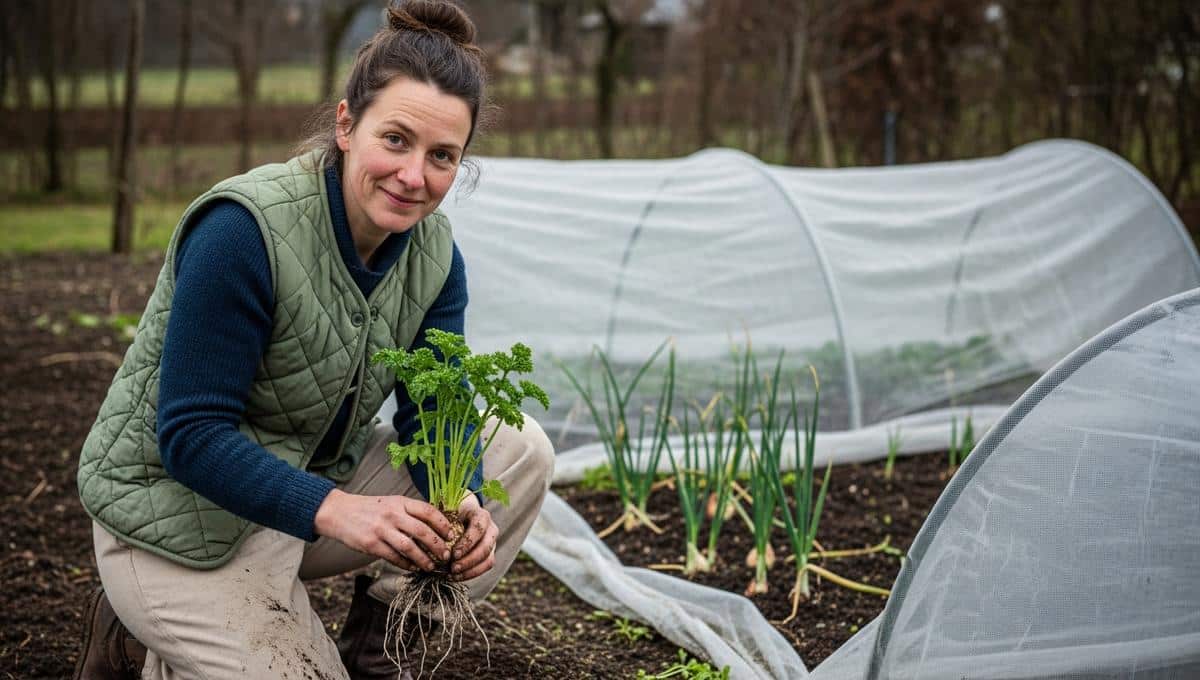
January frost bites, yet the beds need not stay empty. Across France, gardeners are sowing and planting with care, guided by field wisdom. They focus on hardy vegetables while the soil is cold and the days are short.
January Planting Without Fear: What the Cold Really Does
Cold slows top growth; however, it steadies roots and suppresses pests. Light freezes can fracture tight clods, thus improving tilth for spring. For hardy vegetables, that pause is not a problem but a plan. The aim is a strong start before spring competition returns.
Gardeners point out that winter moisture moves nutrients into reach, yet drainage remains vital. Waterlogged beds chill roots and invite rot, therefore raised rows help. A thin mulch evens soil temperature and reduces crusting after thaw. With small steps now, spring jobs get easier and faster.
Leeks and Onions: The Hardy Backbone
A recent French home-and-garden report highlights leeks and onions as January winners. These alliums handle short days and cold soils with calm toughness. Sow in trays under shelter, or set young transplants at **15–20 cm**. Keep the crown just above the surface to avoid rot.
« Leeks and onions shrug off winter when soil drains well. »
Onions can start from sets or seed, and the choice matters. Sets save time; however, seed offers more variety and disease control. Mind day-length types: short-day for mild winters, long-day for northern latitudes. These decisions shape yield, quality, and storage life.
Protection remains simple and light, not heavy-handed. A fleece or cloche breaks wind and sheds sleet, thus preventing stress. Good airflow is key, so vent on mild afternoons. Early planting can bring harvests **2–3 weeks** sooner in late spring.
- Use firm, drained beds; avoid compacted, waterlogged spots.
- Space plants for airflow to limit fungal pressure.
- Mulch lightly; keep crowns free to prevent rot.
- Vent covers on mild days to reduce damp buildup.
- Label varieties and dates for later comparison.
Cold-Tolerant Allies Beyond Alliums
Broad beans, often called fava, thrive in cool air and firm soil. Sow deeply, about **5 cm**, to anchor sturdy stems against wind. Cold sets plants low and strong; consequently, staking becomes easier. These are generous vegetables for hungry winters and early spring.
To readGrandma’s recipe: 10-minute French egg custard (oeufs au lait) for a nostalgic snackEarly peas appreciate a January head start under simple cover. Sow in gutters or modules, then slide into a ready trench. Mice can raid seeds; therefore, start under mesh or on a bench. Choose hardy types and keep growth compact until daylight grows.
Garlic and shallots prefer firm ground and consistent spacing. Plant cloves point up at **3–5 cm** deep and **10–15 cm** apart. Winter cold supports clove differentiation and cleaner skins. Avoid fresh manure now, and feed modestly when shoots green up.
Spinach, lamb’s lettuce, and winter lettuces accept short light and chill. A cold frame stabilizes temperature; meanwhile, a vent prevents damp mildew. Harvest leaves young and often to keep growth steady. These modest greens fill salads while beds wake for spring vegetables.
Soil, Mulch, and Microclimates
Now is prime time to read the soil. When a squeezed handful crumbles, structure is on track. Add well-rotted compost for biology, not quick nitrogen. Healthy beds in winter pay back all year.
Mulch acts like a breathable blanket when used smartly. Straw and shredded leaves insulate, yet they must not smother crowns. Pull mulch back on sunny days to warm the surface. Instead, return it before dusk to hold precious heat.
Think in microclimates rather than maps, because gardens vary. A south-facing wall stores daytime warmth for night release. Containers near brick absorb heat; therefore, tender starts stay steadier. Place heat-loving trays there while hardy vegetables occupy open ground.
Step-by-Step January Plan and Common Pitfalls
Week **1–2**: walk the site, check drainage, and clear debris. Week **2–3**: prepare one bed fully, then sow a small trial. And week **3–4**: set allium transplants and early peas under cover. Keep notes; thus, each step informs the next.
Skip heavy fertilization now, as roots cannot use it well. Feeding too soon invites soft growth and disease pressure. Choose the right onion type for your latitude and day length. Therefore, match variety to light to avoid small or split bulbs.
To readBanana peels: 5 smart uses that save money at home and in the gardenMonitor covers after storms, and re-anchor fleece promptly. Also, ventilate at midday on brighter days to curb condensation. Log minimum temperatures and soil feel to guide watering. Such tracking turns guesswork into a practical habit for vegetables.
Respect winter pace, yet stay consistent with small tasks. Predators need shelter, so leave a tidy brush pile nearby. Keep paths safe from ice to prevent slips during checks. In short, steady care now means calmer work in March.
Crédit photo © DivertissonsNous