
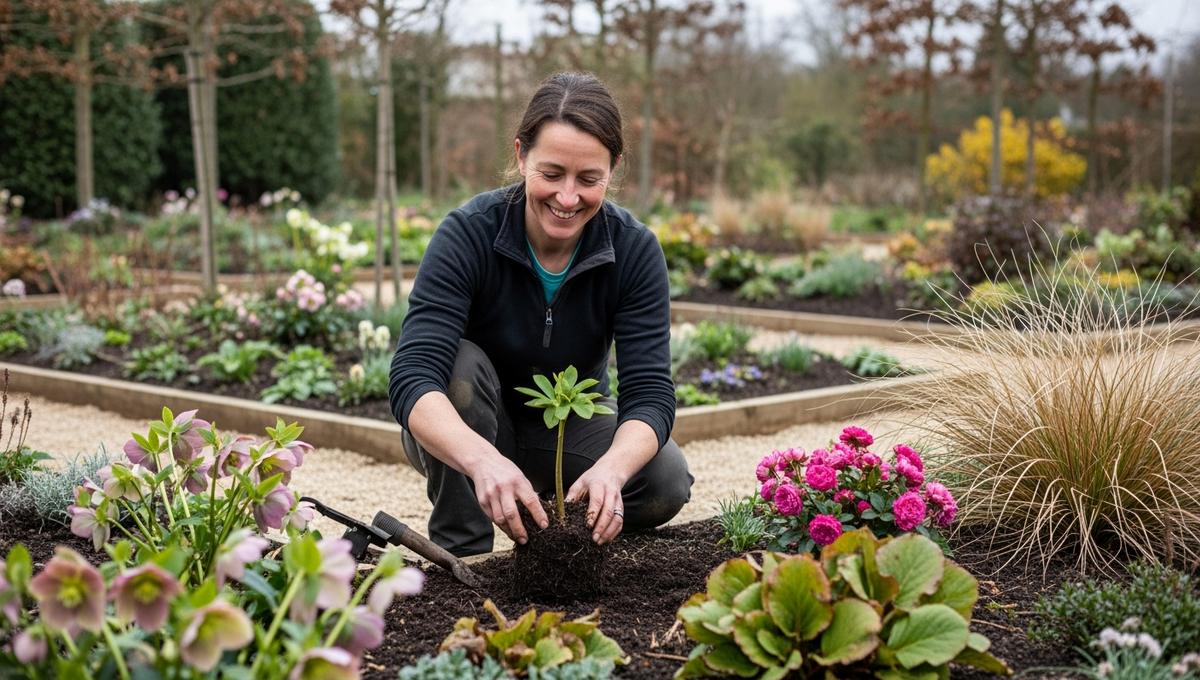
Winter often exposes every gap in a border. With the right choices, you can turn that tired strip into a resilient, low-care display powered by indestructible plants. In this guide, we translate a practical French case into clear steps you can apply now.
Build a year-round bed with indestructible plants
Early in the year, color and structure matter most. A recent French garden feature shows how a small bed can look composed from January by leaning on hardy evergreens and winter bloomers. As a result, the gardener spends less time weeding and more time enjoying scent and texture. The idea is simple: put durable species in the right spot, then let them settle.
Think hellebores (Helleborus) for nodding flowers in cold spells, and winter heathers (Erica carnea) for nectar-rich carpets. Add bergenia for glossy leaves and pink spikes, plus sweet box (Sarcococca) or Viburnum tinus for steady bloom. Meanwhile, tufted grasses like Carex knit everything together and catch the light. These choices make a small bed feel full, and they behave like indestructible plants in everyday conditions.
Success begins underfoot. Good drainage, a top-up of compost, and a 5 cm mulch reduce stress and suppress weeds. Then, plant in repeating clumps—groups of 3 to 5—to create rhythm and limit bare soil. With roots shaded and soil stable, watering needs drop after the first season.
« Plant once with intention, then maintain with a light touch. »
January stars: indestructible plants that wake early
From January, hellebores lift pale, speckled cups above tidy foliage. Meanwhile, winter heather offers bees a vital buffet when few plants bloom. Sweet box perfumes the path with small white flowers, and Viburnum tinus carries clusters for weeks. Together, these anchors bring life, color, and scent when beds often look bare.
To readGrandma’s recipe: 10-minute French egg custard (oeufs au lait) for a nostalgic snackAdd bold leaves with bergenia, which shine even after frost. In mild regions, compact Hebes hold evergreen mounds; in colder zones, choose hardy cultivars or replace with dwarf box substitutes. Grasses like carex keep movement and texture through wind and rain. Crucially, check your hardiness zone, and adjust plant lists to fit local lows.
- 1. Map sun, shade, and wind across the bed.
- 2. Improve soil with compost and check drainage.
- 3. Plant in repeating groups for rhythm.
- 4. Apply 5 cm of mulch and keep soil covered.
- 5. Water to establish, then monitor moisture by touch.
Design principles for a no-fuss border
Start with light. Track where winter sun lands and where shadows linger. Therefore, place flowering evergreens at the front, and layer taller shrubs to the back for shelter. This simple layout protects blooms and guides the eye.
Next comes the ground layer. A friable loam, clear of compaction, lets roots breathe; a 5 cm mulch locks in moisture and blocks sprouting weeds. Many gardeners treat these choices as indestructible plants during busy weeks, because the bed keeps its shape with minimal fuss. Consequently, your time shifts from rescue to gentle tuning.
Water for establishment, then watch the weather. During dry spells, push a finger into the soil before reaching for the hose. If the top few centimeters are dry, give a slow soak at the base. Otherwise, wait, since excess water can weaken even sturdy root systems.
Maintenance that fits real life
Prune with restraint right after winter bloom. Remove spent heather tips, and clip hellebore leaves if they brown. As a result, light reaches new growth, and disease pressure stays low. Refresh mulch each autumn to keep the cycle steady.
Weather swings test any bed, yet tough evergreens bounce back. With deep roots and covered soil, heat dries less, and frost bites less. That resilience is why many households embrace these indestructible plants for front paths and visible borders. In short, the garden stays calm while life stays busy.
Suggested plant palette for a tough winter-to-spring show
Set your backbone with five reliable groups. Choose Helleborus hybrids for varied colors, winter heather (Erica carnea) for long bloom, and Bergenia for structure. Then weave in Carex or similar grasses for movement and year-round cover. For edging, low thyme or dwarf periwinkle fill gaps and cool the soil.
For shrubs, think fragrance and steadiness. Sarcococca carries scent on cold air; Viburnum tinus holds buds and berries that feed wildlife. Skimmia offers clusters and glossy leaves, while dwarf nandina brings red tones in mild areas. Always check mature size, and give each plant breathing room.
To readBanana peels: 5 smart uses that save money at home and in the gardenA border like this supports people and pollinators when days are short. Paths feel welcoming, and windows frame moving grasses instead of bare dirt. Most care happens in small, regular moments rather than big weekend jobs. With that balance, the right mix of indestructible plants turns winter into a season you can actually enjoy.
Crédit photo © DivertissonsNous