
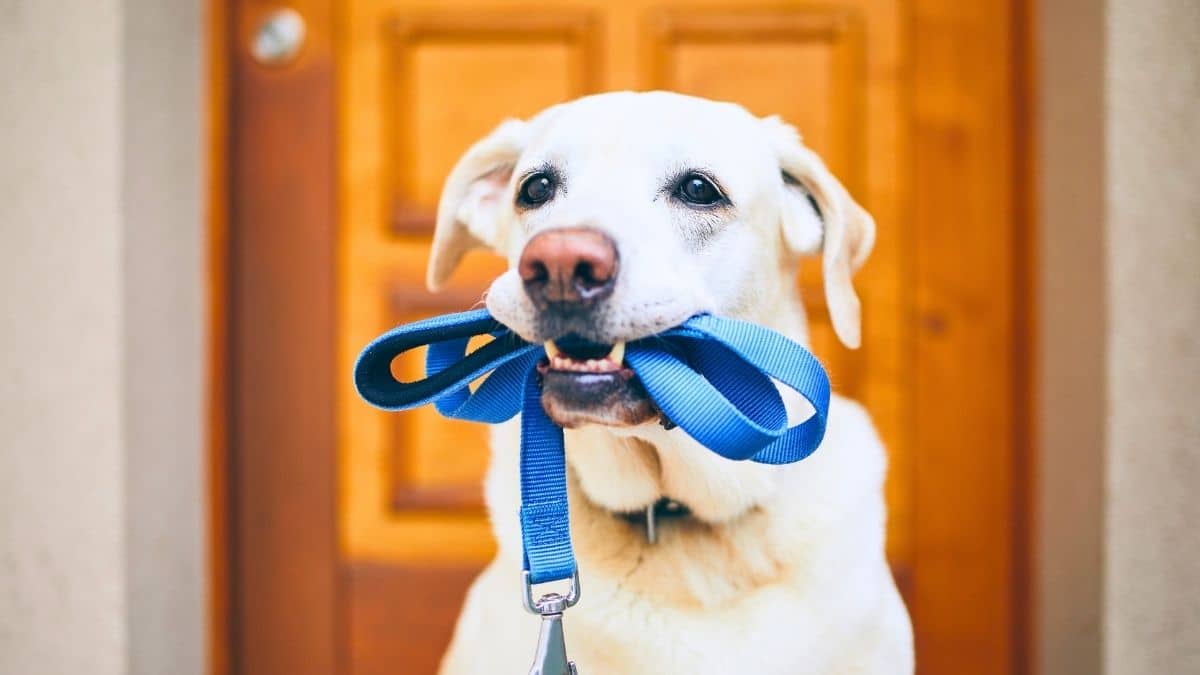
Rain turns simple routines into small dilemmas for many owners. When a dog walk is skipped, comfort wins but needs remain.
Why skipping rainy walks backfires
Rain brings more than wet fur and muddy paws. Owners rush schedules, and stress builds fast. Yet the need for movement and sniffing still matters. As a result, small tensions can spill back into the home.
Bathroom needs do not vanish with a gray sky. Dogs hold longer, then accidents happen, which frustrates everyone. Meanwhile, the pent-up energy leaks out as barking or chewing. In short, the weather does not cancel biology.
Short-term choices shape long-term habits. If rain always means “no outside,” resilience shrinks. Because routines anchor behavior, consistency protects balance. In practice, even small outdoor moments help more than many expect.
« A wet forecast should adjust the plan, not erase it. »
Health and behavior ripple effects
Movement feeds joints, mood, and gut rhythm. When a dog walk disappears, some dogs pace, whine, or raid the bin. Others shut down and sleep too much, then wake at midnight. Consequently, both extremes strain family life.
To readCat food: the right diet transforms your cat’s wellbeing in weeksWeight can creep up within weeks. Mud means fewer steps, and extra treats fill the gap. Over time, knees and hips feel the load. Therefore, keeping activity steady, even in rain, protects future comfort.
- Check the radar and time outings between showers.
- Use a light raincoat and a quick-dry collar.
- Pick routes with drains, cover, and safe footing.
- Swap one long session for two brisk loops.
- Stage towels by the door for fast cleanups.
Safer, smarter routines when the sky opens
Think in layers: safety, comfort, then training. First, watch the forecast and wind gusts. Strong winds drop branches and spook dogs. Thus, plan the dog walk around calmer windows.
Gear reduces friction before it starts. A harness gives control on slick paths. Paw balm adds grip and shields pads. Additionally, a bright light boosts visibility for drivers.
Adjust time and intensity without skipping. Trade a long loop for several sprints between showers. Add structured sniff breaks under a canopy. As a result, the brain tires even when legs do less.
Indoor enrichment that still tires the nose and mind
On days when a dog walk is unsafe, bring the outside in. Scatter-feed kibble over towels to spark foraging. Hide three treats in one room, then rotate rooms. Because scent work drives focus, calm follows fast.
Food puzzles, cardboard shredding stations, and tug all help. Keep bouts short and clear to prevent frustration. Meanwhile, teach two cue-based games, like “find it” and “settle.” Therefore, rainy days become training days, not lost days.
What experts suggest for balance and empathy
Vets often advise a steady daily target. Many adult dogs thrive on two to three outings. Typical guidance sits around 30–60 minutes, split across the day. However, breed, age, and health shift that range.
Puppies and seniors need shorter, kinder bouts. Try 5–10 minutes outside, then rest and towel dry. Because joints and attention fade quickly, keep sessions light. In addition, warm layers help small or thin-coated dogs.
Reframe the goal of the dog walk on rough days. Prioritize toilet breaks, sniffing, and calm handling. Keep leashes short at crossings and longer for scenting. Consequently, the dog reads the plan and relaxes sooner.
When to pause and when to proceed
Thunder, lightning, and flooded streets raise real risk. Skip the street and pivot to indoor work in those moments. Use white noise to soften rumbles and close curtains. Therefore, safety stays first without ignoring needs.
Between storms, take controlled micro-outings. Step out, toilet, sniff three bushes, then head home. Praise the choice to go outside and return calmly. By contrast, dragging a fearful dog can worsen the fear.
Building a rainy-day toolkit that actually gets used
Pack a small bin by the door with towels, balm, and treats. Keep a spare harness and a reflective lead there too. Because everything lives in one spot, you launch faster. As a result, hesitation shrinks and habits hold.
To readRats: A common evening habit draws rats and insects to your home while you sleep, change it to keep them outSet a default wet-weather route with cover and drains. Share it with the family on a note on the fridge. Add two backup loops for wind from other directions. Consequently, no one debates; they just move.
End on a calming ritual every time. Dry paws, offer water, then a chew for ten minutes. This steady sequence signals “rain plan complete.” Soon, your next dog walk will feel simple, even under clouds.
Crédit photo © DivertissonsNous