
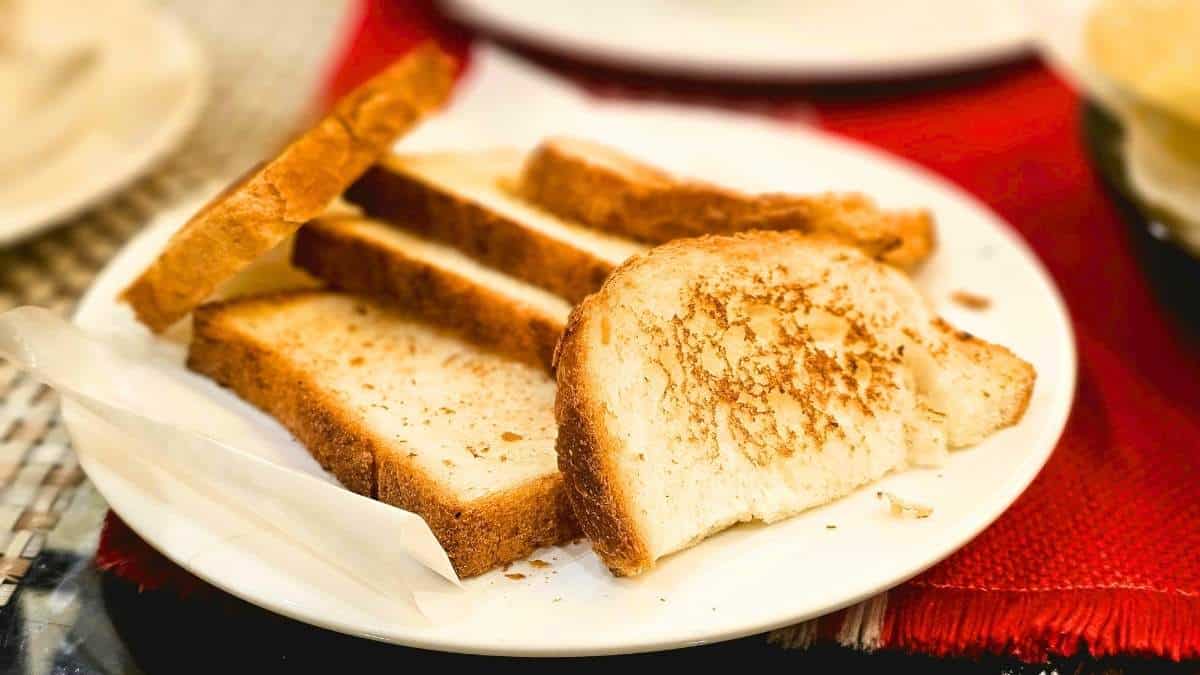
Across kitchens, a quiet shift is underway: the way we make toast is changing. A Japanese-inspired technique that pairs a burst of steam with intense heat is gaining traction. Many readers want to know what it means for everyday breakfasts and busy routines.
Is the toaster era ending by 2026?
French home press has spotlighted a trend that points to a new routine by 2026. The claim is not the literal disappearance of appliances, but a change in habits. Consumers are testing methods that deliver a sharper crust and a tender middle. As a result, simple bread can taste bakery-fresh in minutes.
The approach comes from Japan’s love of precision cooking. It adds controlled humidity first, then sears at high heat for a dramatic crackle. Because moisture protects the crumb, the crust can brown more boldly. That is why many people describe the result as next-level toast without dryness.
Market watchers see the method spreading from niche gadgets to mainstream routines. Some retailers already highlight steam-capable devices and compact ovens. Yet the core idea does not require a new machine at all. According to recent coverage, slices are even said to be “10 times” crisper when steam precedes searing.
« Steam first, sear second — that’s the simple path to a shattering crust. »
How the steam-first method actually works at home
Start with day-old bread if you have it, since it springs back beautifully. Lightly mist the surface or rub a few drops of water on each side. Then enclose the bread briefly with heat so the steam can penetrate. Only after that step do you chase color and crunch for a modern take on toast.
To readDog walk in the rain: skipping it harms your dog’s health and behaviorYou can do this on the stovetop with a lidded pan, in a small oven, or with a combi setting if you have one. First, create humidity for a short moment under a lid or foil tent. Next, lift the cover and finish over dry heat until the crust sings. For clarity, think in 3 steps: hydrate, heat, then color.
- Use a tiny amount of water; damp, not wet.
- Keep the first phase short to avoid sogginess.
- Vent the lid before browning to release steam.
- Finish on higher heat for audible crackle.
- Rest 30 seconds so the crust sets properly.
What this shift means for your kitchen in 2026
By 2026, many households may rely less on single-use gear. Instead, they will lean on pans with lids, compact ovens, or multi-cookers. This spreads one technique across multiple meals, not just breakfast. For enthusiasts, it also opens room to customize thickness, hydration, and browning for toast that suits the day.
There is a practical angle here, too. Humidity helps stale bread revive, which reduces waste. Moreover, users report a wider margin of error than with full dry heat. Consequently, beginners can achieve a golden crust without a dried-out interior.
Budget concerns matter, especially now. You can adopt the method with tools you already own. A lid, a skillet, and a small oven tray cover most scenarios. Meanwhile, maintenance stays simple: keep surfaces clean so steam forms quickly and evenly.
Taste science, made simple
Here is the short version of the physics. A brief steam pulse plumps the crumb and levels surface temperature. Then dry heat drives the Maillard reaction, which amplifies aroma and color. In practice, that sequence produces toast with a crisp shell and a soft center.
Think about texture as layers. Moisture within the bread stays mobile for a moment. Therefore, the outer layer can brown faster while the inside stays supple. By contrast, pure dry heat can make the center tough before the crust is fully developed.
Step-by-step playbook you can try tonight
Stovetop path: heat a pan on medium, add the bread, splash a few drops of water nearby, and cover for a short count. Then uncover and raise the heat a notch to color both sides. For best results, flip once and press gently to contact the surface. This method yields toast with a neat balance of snap and softness.
Oven path: place a small cup-safe tray with hot water on a lower rack while you preheat. Then set the bread above for a brief steam kiss, and remove the water tray. Next, finish on a dry rack until the edges caramelize. Importantly, keep ventilation steady for an even crust.
Countertop cooker path: some air-fry or combi units allow low heat and humidity, then a hot blast. Start low with a moment of moisture, then switch to high and dry. Always consult your manual for safe settings. No ice on heating elements, since sudden shocks can damage parts.
To readRats: A common evening habit draws rats and insects to your home while you sleep, change it to keep them outUse your senses to dial it in. First, watch for a matte surface turning glossy, then golden. Second, listen for a faint crackle when you tap the edge. Finally, let the slice rest briefly; carryover heat finishes the crust without going hard.
This method respects different breads and dietary needs. Sourdough gains a deep, nutty crust with a plush middle. Gluten-free loaves benefit from gentle hydration before a firm finish. If you love variety, you can even season the surface lightly before you toast for extra aroma.
Crédit photo © DivertissonsNous