
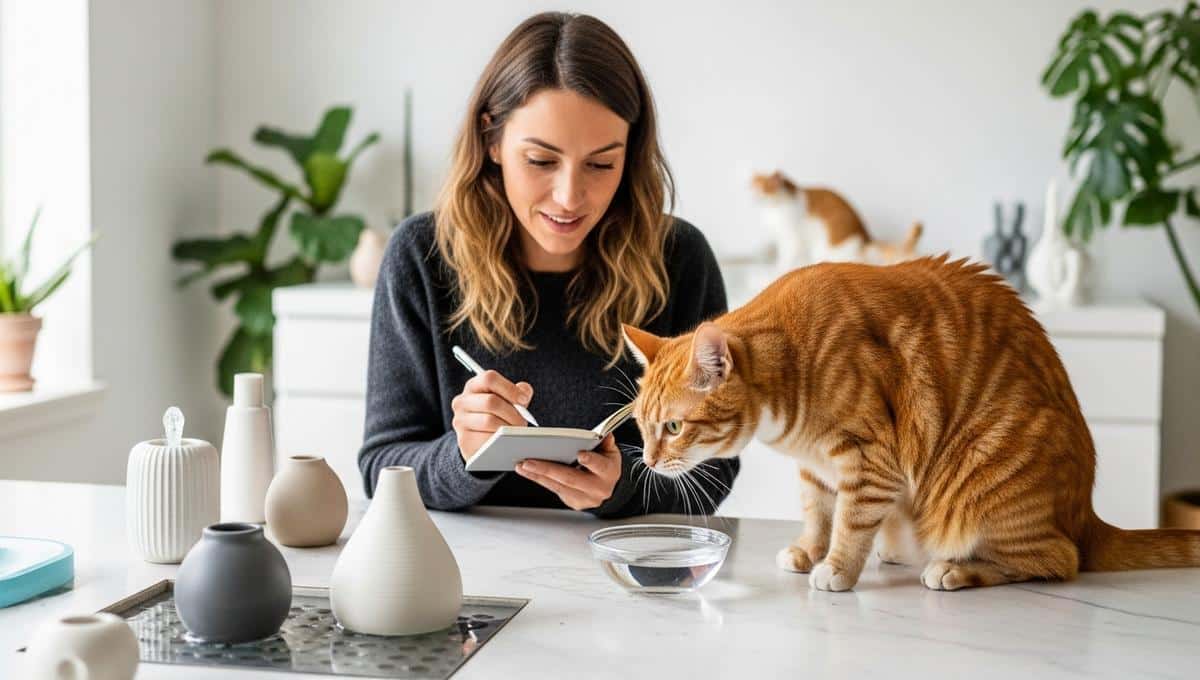
Worried that your cat barely touches the water bowl? You are not alone, and your concern makes sense, especially in warm rooms or during busy days. Here is how to judge healthy intake and what to change when sips are scarce.
How much water should your cat drink each day?
As a guide, many veterinarians reference around 40–60 ml of water per kilogram of body weight daily. That means a 4 kg pet should drink roughly 160–240 ml per day. Diet shifts the target, because wet food often covers a large share of needs. Yet on dry food, intake must rise, as kibble carries very little moisture.
Environment and health matter too. For instance, heat, stress, and playtime raise thirst. In contrast, kidney disease, diabetes, or urinary issues change needs and monitoring. Therefore, measure patterns over a few days instead of judging one moment.
Lidl — silent water fountains for pets can help if your home is quiet and you want gentle flow for your cat.
These fountains come in varied capacities, so you can choose an option for a studio flat or a busier space without adding noise.
« Small, steady changes in how and where you offer water often unlock better drinking. »
Dehydration signs and when to call the vet
Look for small changes first. Dry or tacky gums, strong-smelling urine, and smaller litter clumps may appear early. Also, check the “skin tent”: gently lift the scruff and watch it fall back. If the skin stays tented or drops slowly, call a clinic.
To readCat on your lap during video calls: 5 simple tips to balance remote work and cuddle timeEnergy often dips before thirst is obvious. Thus, watch for lethargy, sunken eyes, or refusal to eat. If there is no drinking for 24 hours, seek veterinary advice at once. In short, quick action protects kidneys and the lower urinary tract.
- Refresh and rinse bowls daily to keep taste neutral
- Place water away from food and litter to reduce aversion
- Offer several stations in quiet, low-traffic spots
- Use wide bowls to reduce whisker stress and splashing
- Track intake with a marked jug for three days
Practical ways to boost drinking
Lidl — design feeding bowls for pets offer a neat look that blends into small kitchens or living rooms.
Because style can support habit, a stable, low-profile shape may tempt a hesitant drinker in shared spaces.
Spread out hydration points. Also, keep water away from food and litter, as many animals prefer distance. Clean with hot water and a mild dish soap, then rinse well. For freshness, change water daily and scrub away biofilm on the rim.
If your cat eats mostly dry food, add moisture gradually. You can mix teaspoons of warm water into kibble or serve wet food for one meal. For flavor, consider a splash of unsalted poultry broth. However, avoid onion, garlic, and salt.
Lidl — stainless steel bowls are durable and easy to sanitize after each meal or rinse.
This material tends to keep odors low and tastes neutral, which helps steady drinking in sensitive pets.
Fountains, temperature, and taste
Many animals prefer moving water. Therefore, a gentle fountain can boost curiosity and sipping. Keep it cool, not icy, and clean the pump and filter on a schedule. For hygiene, clean weekly and replace filters as instructed.
Lidl — ceramic bowls feel stable and smooth on the whiskers, which supports relaxed laps.
Because they are easy to wash, they fit a routine where quick rinses and regular scrubs protect taste.
Flavor can nudge intake when used wisely. Try a spoon of liquid from no-salt tuna in spring water, then dilute well. Also, test ice cubes in summer for a playful chill. Skip milk, as many adults are lactose-intolerant.
Monitoring intake and building routine
Track your cat’s intake with a small measuring jug next to the sink. Note the start volume every morning, then log the remainder at night. Because habits change, repeat for three days and average the result. Compare to the guide of 40–60 ml/kg/day and adjust goals with your vet if needed.
Use the litter box as a dashboard. Bigger, heavier clumps suggest solid hydration, while tiny, dry ones can warn of low intake. In multi-pet homes, add one station per animal plus one extra. Also, weigh bowls before and after if sharing makes tracking hard.
To readThis colorful collar cuts your cat’s bird kills by half: a simple fix every owner should knowLidl — plastic bowls are light and practical for travel or quick rotation at home.
Clean them often and replace if scratched, since grooves can harbor residue that alters taste and reduces interest.
When a cat keeps avoiding water, rule out pain, nausea, or nausea-like aversion. Seniors deserve extra checks, as chronic kidney disease often begins quietly. Meanwhile, cold seasons with dry indoor air can raise needs, just as summer heat does. As always, small, steady changes build a safer routine for daily drinking.
Crédit photo © DivertissonsNous