
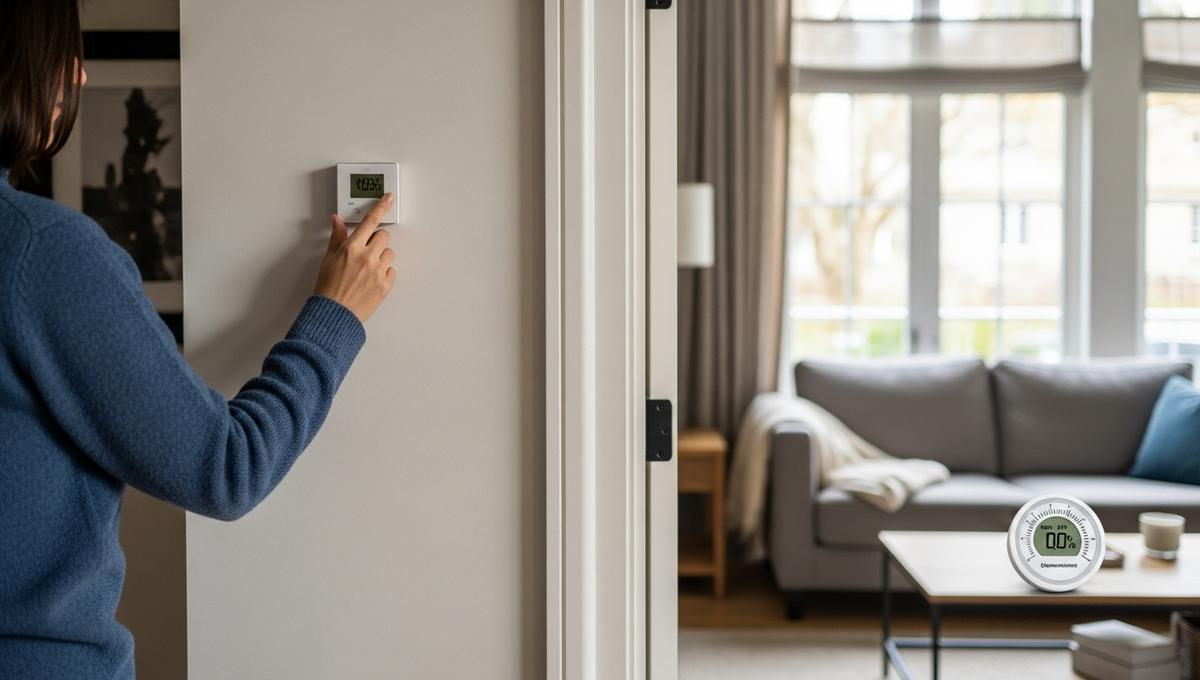
You reach for the thermostat and wonder what comfort should feel like. Yet for years, the advice circled around a single number while your home, body, and budget tell a richer story. This guide shows how the right temperature depends on rooms, routines, and smart choices.
Why 19°C became the reference
In France, public guidance long promoted 19 °C for living spaces. The goal was clear: curb energy use without sacrificing health. According to energy agencies such as ADEME, lowering the setpoint by one degree saves about 7 % on heating. Because bills surged in recent years, many households turned that figure into a rule.
Context matters, though, and comfort is personal. Your activity level, the clothes you wear, and humidity can all shift how warm you feel. So can sunlight and drafts across your skin. In daily life, the ideal temperature is a moving target, not a fixed point.
Room-by-room comfort benchmarks
Use room cues instead of a single commandment. Aim for 19–20 °C in the living room when you are active and seated. Keep bedrooms cooler at 16–18 °C for better sleep and drier air. Warm the bathroom to around 22 °C only during showers, then reduce it.
« Comfort is a balance between heat, humidity, and air movement. »
Schedule gentle night setback rather than big swings. A dip to 16 °C while you sleep helps rest and saves energy. Start preheating about 30 minutes before breakfast or before returning home. With simple zoning, radiators or air vents serve the rooms you actually use.
Consider life stages and health. Babies benefit from stable settings in the mid-to-high teens with warm bedding and covered extremities. Older adults or anyone with circulatory issues may prefer one or two degrees higher in living areas. Also, keep indoor humidity near 40–60 % to avoid dry air that feels colder.
- Seal drafts around windows and doors before adjusting setpoints.
- Bleed radiators and balance circuits at the start of the season.
- Set different schedules for day, night, and weekends.
- Close shutters and curtains at dusk to limit heat loss.
- Use bath fans and quick airing to manage humidity after showers.
Humidity, insulation, and radiant warmth
Moisture in the air changes how you perceive warmth at the same temperature. When relative humidity sits around 40–60 %, skin does not dry out as quickly, and you feel milder. A simple hygrometer helps you track this hidden lever. After showers, run extraction fans, then air out briefly to keep balance.
To readAuxiliary heating: the most efficient type that actually saves energy in 2026Insulation and airtightness shape comfort more than any dial twist. Even a small draft across your ankles can make a warm room feel cool. Radiant sources, like well-sized radiators or heated floors, warm surfaces and people rather than only the air. As a result, rooms feel cozy at modest setpoints.
Windows deserve special care. Curtains, thermal blinds, and closed shutters trap a layer of still air that limits loss. During sunny hours, open them to harvest free gains. At night, close everything to cut the chill from panes.
Thermostat placement also matters. Mount it away from radiators, direct sun, and cooking zones for reliable readings. Consider weather-compensated control on boilers for smoother heat. With accurate sensing, you avoid overrun and steady the system.
Smart control and bills
Connected thermostats and radiator valves can trim waste without fuss. Because they learn your habits, they preheat only when needed. Geofencing lowers the setpoint when you leave and raises it as you head home. Done right, they keep comfort steady while the temperature goal stays realistic.
Each degree still counts on the bill. ADEME’s benchmark of around 7 % per degree offers a helpful range. If your annual heating runs near 1,000 €, holding one degree lower could save about 70 €. Yet health and sleep quality come first, so prioritize how you feel.
Safety belongs in the plan. Service boilers before winter to ensure clean combustion. Keep vents clear, test smoke and CO alarms, and use portable heaters with great care. Therefore, you protect both comfort and peace of mind.
Seasonal routines and quick wins
Start mornings with a rapid air change. Open windows wide for 5–10 minutes to refresh rooms without cooling walls. This flush reduces condensation and stale odors. Because fresh air feels crisp, you often accept the set temperature more easily.
Stack small comforts at night. Warm socks, a throw, and a hot drink raise perceived warmth fast. Preheat the bathroom briefly, then shut the door to trap heat. Instead of chasing numbers, you support your body’s signals.
To readClean walls and ceilings in minutes with this effortless technique that leaves them spotlessPlan for absences with care. For short daytime gaps, keep living areas near 16 °C and recover smoothly. For longer trips, set a frost-protect mode around 12–14 °C to avoid damp and frozen pipes. Consequently, the building stays healthy while costs fall.
When rooms still feel off, check the system before raising the temperature. Bleed radiators, verify boiler pressure, and confirm valves open fully. Balance flow so distant rooms heat evenly. If problems persist, call a professional to diagnose loss and restore steady comfort.
Crédit photo © DivertissonsNous