
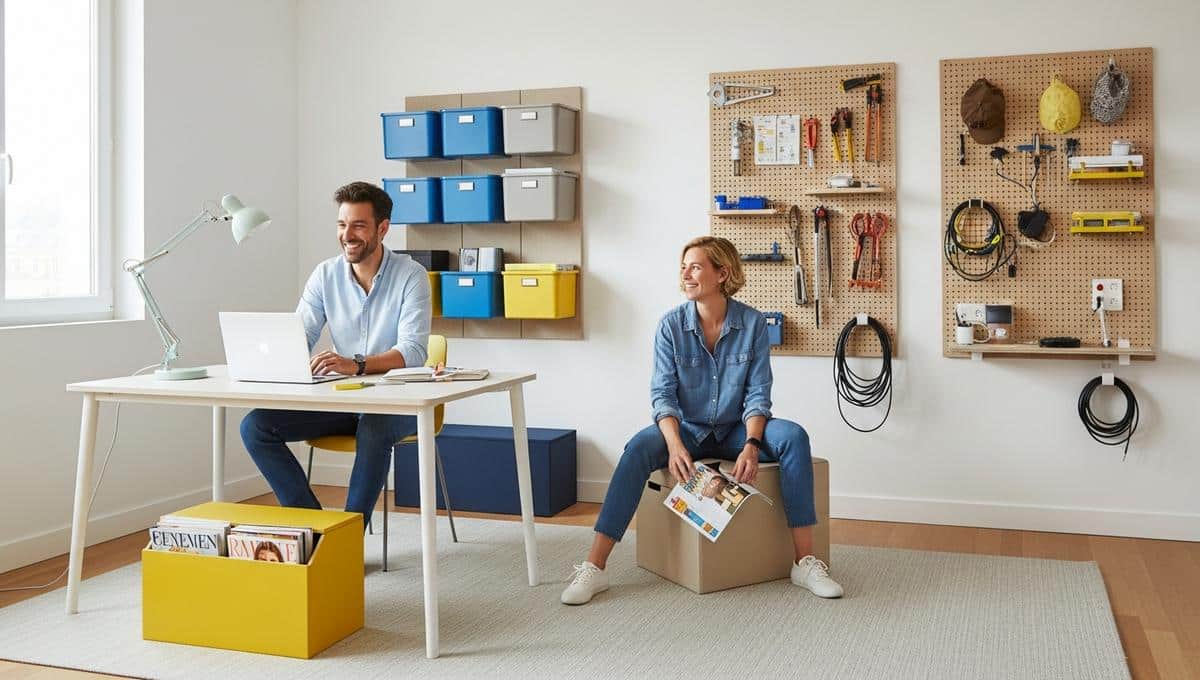
Thoughtful home design can ease daily frictions and make life feel lighter every day. For a couple juggling two routines, or even two homes, small layout shifts pay off fast.
Why space planning matters when love has two addresses
Across big cities, living apart together now has real visibility and growing social acceptance. Housing costs, remote work, and blended families often shape that choice, and privacy needs matter too. In fact, editors in France recently highlighted 10 practical ideas that help make small spaces work. So, the goal is a home that supports the couple without stifling personal rhythms or ambitions.
Think fairness first, then pick storage tactics that respect time, energy, and daily attention. Clear zones prevent turf wars, reduce decision fatigue, and guide daily habits without constant reminders. Thus, aim for 2 balanced zones and shared rules that feel simple, consistent, and fair. As a result, small agreements today beat stressful reorganizations later, and peace lasts much longer.
Start with a shared brief, then draw the map
Start with a brief you both agree on, including goals, limits, and budget notes. List daily activities, must‑keep items, space limits, and any sensitivities about noise, light, or temperature. Then measure key walls, windows, and radiators, and map where each activity fits best. That shared plan keeps the couple focused when emotions flare and decisions start to feel rushed.
« When every object has a purpose and a place, calm returns. »
Next, zone the home by activity, not personality, so both identities remain welcome everywhere. For example, mark entry, work, living, sleep, and recharge corners using light, color, and texture. Use rugs, light shelves, or sliding panels to signal boundaries while keeping sightlines open. However, keep walkways at around 70 cm for comfort, and avoid blocking natural paths.
Ten smart moves to store more without shrinking style
Go vertical with strong rails, high shelves, and slim ladders, then free the floor. Under‑bed drawers and lift‑top ottomans unlock deep, quiet storage for linens, gear, and archives. Therefore, pick double‑duty pieces that move with the couple over time and across rooms. Think a nesting table, a folding desk, or a compact sofa‑bed that shifts on demand.
- Measure key walls and ceilings to plan safe vertical storage.
- Map zones by activity and set clear access paths.
- Choose modular units that can reconfigure after a move.
- Label bins by category and date for faster retrieval.
- Schedule a weekly reset to keep systems on track.
Pegboards hold tools, cables, and hobby gear without wasting corners or blocking ventilation. Moreover, rollout crates or cube modules make seasonal swaps painless and protect fabrics from dust. Add clear bins, big labels, and a 15‑minute weekly reset to keep categories stable. That rhythm keeps each partner seen, and the couple stays nimble during busy weeks and travel.
To readHydrangeas covered in blooms this spring start with one simple winter pruning stepCreate a single charging shelf with cable trays, spare cords, and labeled adapters for guests. Meanwhile, mount hooks near doors for bags, helmets, and umbrellas to speed daily exits. If space is tiny, use foldable desks and clip‑on lamps, and stash them vertically. Still, check walls before drilling, and always anchor tall units safely to prevent tipping.
Fairness systems that prevent clutter conflicts
Fairness reduces stress faster than any clever container, because it removes hidden resentments. Set a simple 1:1 rule for hanging space and drawer depth across every room. Then color‑code boxes by person, and define a neutral zone for truly shared tools. Therefore, no one guesses where shared items belong, and tempers stay cool.
Map flows for laundry, dishes, recycling, and the mail pile from door to drawer. For example, place a tray by the door for receipts and keys, then empty it nightly. Thus, small pipelines stop messes before they spread across rooms and cause conflict. A clear roster also helps the couple avoid repeating the same chores, and frees weekends.
Make it feel like home, not storage
Style should soothe, not shout or complicate routines, so choose finishes with soft sheen. Choose calm lights and dimmers, then group cables out of sight with clips and sleeves. Rotate displays: each person can show 5 favorite items at once without crowding shelves. Consequently, the room breathes and remains easy to reset after workdays or weekend guests.
Think about guests, pets, and late returns after long shifts or late trains. Keep spare bedding in a storage ottoman and a folding table handy for last‑minute dinners. Also add stackable chairs and a small kit for quick cleaning when plans change suddenly. That readiness lets the couple host without wrecking the layout, or waking neighbors late.
Finally, bake maintenance into the calendar like any other plan, and set reminders. Schedule seasonal reviews with 3 steps: edit, sort, and store, then donate responsibly. As a result, the home stays flexible through moves and milestones, and stress stays lower. Over time, calm grows with practice, kindness, and clear systems that support daily care.
To readOutdoor materials that age badly and waste your money: 5 to avoid in 2026Crédit photo © DivertissonsNous