
Prices keep rising, and many families feel it each time they shop for household products. A recent French reader story shows another path: use one simple tool, spend less, and clean better. The switch sounds bold, yet the reported savings exceed €200 per year.
Why a simple tool is replacing household products
A feature from a senior-focused news outlet presented a practical case. A retiree replaced several bottles with one multi-surface cleaning accessory and water. The goal was to spend less and cut plastic. In practice, the change reduced clutter and weekly hassle.
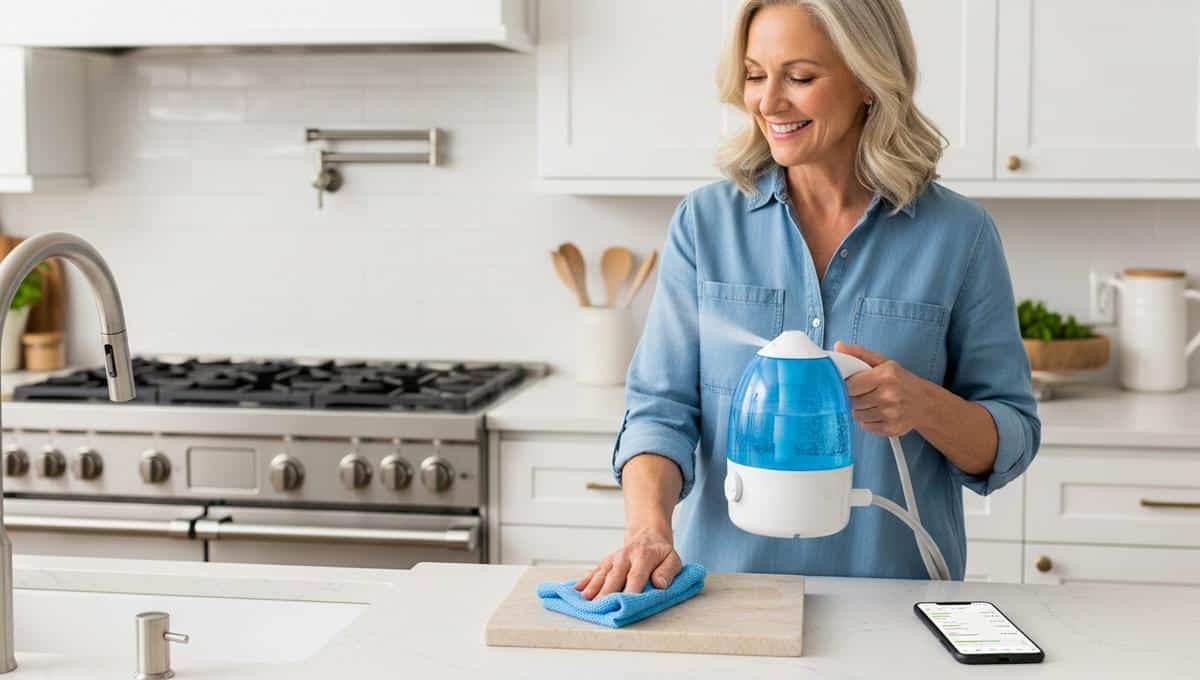
The device sprays a fine mist on counters, tiles, and glass. With a microfiber cloth, grime lifts fast and leaves fewer streaks. Many like that method because it avoids strong scents. It also avoids mixing agents that never should meet.
Some legacy household products work, yet they can irritate skin or lungs. A mist-and-wipe routine limits contact with harsh chemicals. It also trims the need for repeat scrubs, so time shrinks. Over a year, that time saved matters as much as money.
« I cut my cleaning spend by more than €200 per year without losing results. »
From crowded cupboards to one accessory
At first, the reader kept a few backups for “just in case.” Over weeks, unused bottles moved to the back of the cupboard. They did not come out again, which eased the leap. As a result, confidence grew with each room cleaned.
Budgets feel tight, so small gains add up fast. When you stop buying duplicates, spending drops at once. Subscriptions for refills can end, too. Therefore, monthly outflows become easier to control.
- Audit what you buy and how often you use it
- Start with the kitchen, then move to the bathroom
- Test the sprayer on a small, discreet area first
- Pair with tight-weave microfiber for best pickup
- Track savings in a simple note on your phone
Clarity helps. Write down where waste happens: duplicate sprays, specialty gels, and seasonal cleaners. Many of these solve similar tasks. So one tool, plus cloths, can handle daily mess and quick shine.
Choosing and using a multi-surface sprayer
Look for a sturdy trigger, a leak-tight bottle, and a fine adjustable nozzle. A reliable seal prevents drips on wood and electronics. Good ergonomics matter, since you grip and pump often. Thus your hand stays fresh during a longer clean.
Jeager — Nettoyeur multi-surface vaporisé. This household accessory replaces traditional cleaners and costs less than 35 €.
To readAuxiliary heating: the most efficient type that actually saves energy in 2026Refill with clean tap water. If limescale builds, rinse with warm water after use. For hard water regions, a light descale cycle keeps spray patterns even. Consequently, your coverage stays consistent from week to week.
It pays to map surfaces. Sealed stone, ceramic, stainless steel, lacquered wood, and glass respond well. Unsealed wood and soft marble need care and spot tests. In case of doubt, try a tiny corner and wait.
The health and environmental angles behind household products rethink
Indoor air quality improves when strong fumes fade. Fragrances and solvents linger on fabrics and in dust. Cutting them lowers exposure for kids and pets. For sensitive noses, that change brings quick relief.
Waste shrinks too. Fewer bottles mean less plastic to toss or recycle. You also cut transport emissions from frequent restocking. In short, the footprint per clean gets smaller.
How the savings stack up over a year
That French reader’s account pointed to steady reductions across categories. Glass spray, bathroom foam, kitchen degreaser, floor solution, and specialty wipes disappeared. One accessory did the daily work instead. As a result, the household budget felt lighter month after month.
Spending on household products can vary by region and store. Yet most homes admit to “product overlap.” When you stop buying five versions of the same function, costs drop. The cabinet looks calmer, and your list shrinks.
Time savings matter. A mist-and-wipe pass handles crumbs, prints, and splashes in minutes. You clean more often, but for less time each session. Therefore, weekends free up for nicer tasks.
Results still rely on technique. Spray lightly, wait a few seconds, then wipe in one direction. Flip the cloth often to avoid streaks. For shine, finish with a dry side and natural light.
What to do when grime fights back
Sticky residue on ovens and grills may need heat or a scraper. Use care and patience to avoid scratches. For mineral spots on glass, a damp cloth plus gentle pressure helps. If needed, repeat a short cycle instead of soaking.
Mold in damp corners requires airflow and dryness. First, remove loose growth with a dedicated cloth. Then ventilate and keep humidity down. Because prevention beats treatment, fix drips and improve bathroom exhaust.
Tips to make the habit stick
Place the sprayer where you use it most. Keep two microfiber cloths ready: one for kitchen, one for bath. Rotate and wash them on a hot cycle. That routine stops cross-contamination.
Set a weekly rhythm. Quick wipes after cooking prevent build-up. Light passes in the evening keep sinks and mirrors clear. Thus deep clean days feel easier and shorter.
To readClean walls and ceilings in minutes with this effortless technique that leaves them spotlessRecord the first three months. Note what you no longer buy and what you still need. The picture will guide smarter restocks. It will also confirm whether the switch replaces most household products.
Stay flexible. Special jobs may call for a targeted solution sometimes. Yet a single sprayer will serve the bulk of your tasks. By design, that keeps cleaning simple, steady, and affordable.
Crédit photo © DivertissonsNous