
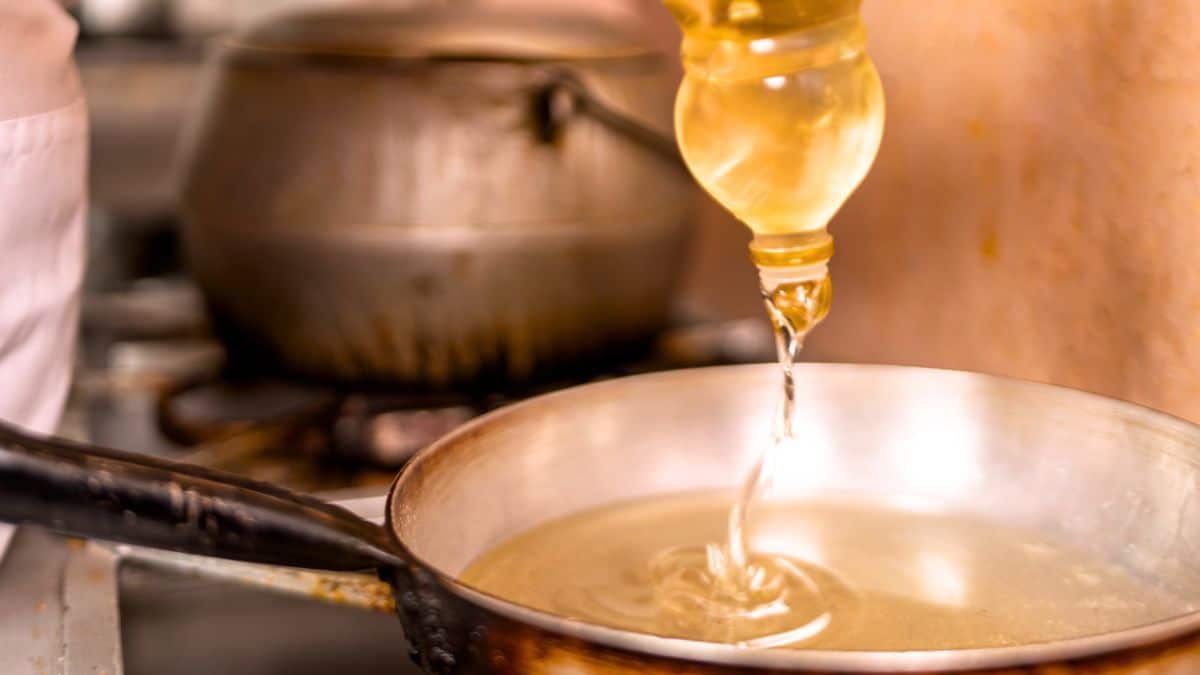
Money is tight, and nothing in the kitchen should go to waste. Many gardeners wonder if frying oil can play a second role outdoors. With care and a few rules, some uses do make sense and protect your tools while reducing waste.
Smart, safe ways to repurpose cooking oil
Your metal tools face sap, moisture, and rust every week. Therefore, wipe a thin film of filtered frying oil on clean pruners, spades, and hoes. This light coat creates a barrier against humidity. As a result, blades stay smoother and require less force.
Some gardeners use light vegetable oil emulsions to smother scale and mites. For safety, mix a very small amount of fresh oil with water and a drop of mild soap. Then spot-test on one leaf and wait 48 hours. If no burn appears, proceed in the cool evening.
Sticky traps can be made at home when budgets are tight. Instead, coat yellow cards with a very thin layer of vegetable oil and a dab of honey. Place them away from blooms to protect pollinators. Change cards often so dust does not reduce catch rates.
“Handle small amounts wisely, and the garden will repay your effort.”
Soil, compost, and local rules you should respect
Oil and soil do not mix. However, municipalities often accept used cooking oil for recycling into energy. Pouring frying oil on beds harms microbes and clogs pores. Therefore, keep oil on tools, not on the ground.
To readShortcrust pastry: perfect results depend on 1 small detail most bakers forgetCompost needs air and balance. In addition, fats can attract rodents and produce odors. If you try any, keep amounts tiny and blend deeply with dry browns. When in doubt, leave oils out of the pile.
- Cool and filter oil before any reuse.
- Keep applications thin, targeted, and temporary.
- Avoid soil contact and storm drains.
- Test plants first, then monitor leaf response.
- Use official recycling for larger volumes.
7 practical ideas, each with a clear caveat
Give metal tools a rust shield between jobs. First, clean off sap and grit with a rag. Then apply a thin film and wipe the excess. This saves money and reduces sharpening time.
Sticky cards and gentle smother sprays can tackle pests with fewer chemicals. Moreover, always choose fresh or well-filtered oil to avoid odors. Keep sprays weak, under about one to two percent oil in water. Heat and sunlight raise burn risk, so time care for dusk.
Wooden handles dry out and split under sun and rain. Consequently, a light coat of wax or a drying oil is safer for wood. Used kitchen oil can turn rancid on wood, so treat it as a last resort. If you proceed, filter carefully and buff until no residue transfers.
4 mistakes that quietly ruin a healthy garden
Do not dump oil on paths to “kill weeds.” Besides legal risks, it harms soil life and nearby roots. Do not pour oil in gutters or drains, because waterways suffer. Finally, avoid spraying near ponds or pet areas.
Hot or rancid oil damages plants and attracts pests. Also, over-application suffocates leaves and blocks photosynthesis. Always label bottles and dates to prevent confusion. As a result, you reduce mishaps and protect beneficial insects.
Filtering, storage, and disposal that spare your tools and soil
Let oil cool fully, then strain through a fine sieve or coffee filter. Next, transfer to a clean, dry bottle with a tight cap. Label contents and the date for tracking. Only reuse oil that looks and smells clean.
Light, heat, and air speed up rancidity. Therefore, store bottles in a dark, cool cabinet. Keep volumes small to ensure quick turnover. If it smells off, retire it immediately.
To readCar windshield: 3 quick tips to defrost in minutes this winterWhen you are done, choose responsible disposal. Many recycling centers accept sealed containers of kitchen oil. Consequently, wildlife and waterways stay safe, and resources get renewed. Use this route for larger batches of frying oil instead of any outdoor dumping.
Crédit photo © DivertissonsNous