
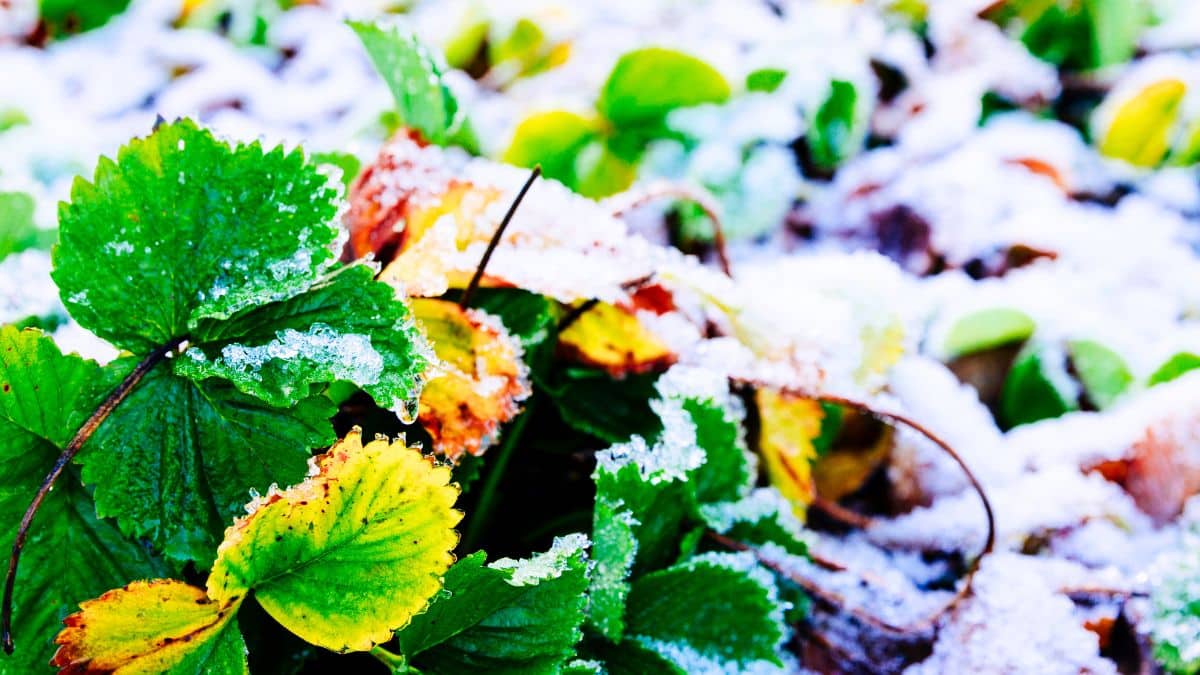
Frost can undo a year of growth in a single week. As temperatures drop, gardeners face hard choices about timing and tools. Acting early protects perennials while keeping them ready for spring.
Cold-proof care for perennials: the three moves that matter
When deep cold arrives, roots face the greatest risk. Crowns may dry in wind, then freeze solid at night. However, timing your actions reduces losses and stress. Many perennials shrug off a light frost, yet repeated freezes drain reserves.
French garden advisors recently highlighted 3 key moves that actually work. First, insulate the soil with a breathable mulch layer. Second, shield aerial parts with a light, ventilated cover. Finally, manage water so perennials stay hydrated without sitting in ice.
Perennials under threat: mulch, cover, and water wisely
Start with mulch around the root zone, not over the crown. A loose blanket of leaves, straw, or bark slows temperature swings. Thus, the soil holds heat from short winter days. Keep the central crown visible, so perennials can breathe.
« Protect the crown, keep drainage open, and let the plant breathe. »
Next, add a breathable cover when a real cold snap is forecast. A light winter fleece reduces wind chill and traps a thin air layer. However, lift or vent it on mild afternoons to avoid condensation. That simple habit prevents rot and keeps perennials healthy.
Water if the soil feels dry before a freeze, then stop. Wet but draining soil buffers roots against sudden cold. Therefore, set pots on feet and clear saucers so ice cannot form. In exposed sites, a low windbreak keeps perennials from desiccating.
- Watch local forecasts and act before the first hard freeze.
- Mulch loosely; never bury the crown or trap moisture.
- Use breathable covers; avoid airtight plastic.
- Lift containers for drainage; remove saucers.
- Check protection after storms; reset and ventilate.
Timing, materials, and what to avoid with perennials
Garden timing matters as much as technique. Now is the window, from late autumn to early spring, when protection pays. Cold often comes in waves, not once. As a result, lightweight shields you can remove and reset suit perennials best.
To readShortcrust pastry: perfect results depend on 1 small detail most bakers forgetChoose natural materials that trap air and shed water. Leaves, straw, or fine bark work; plastic sheets do not. However, snow can act like a gentle insulator when it falls dry. Do not cut all stems back yet, since they guard perennials against wind.
Planto — Voile d’hivernage léger offers an easy, breathable wrap for cold snaps.
While the type and variants are not specified, gardeners can still use it to shield perennials during short freezes.
Containers, microclimates, and city balconies
Container perennials chill faster than those in ground. Move pots against a south or east wall, where heat lingers. Also, group containers so they share warmth and reduce wind. Raise them on blocks to protect roots from icy patios.
Microclimates change outcomes more than labels do. A hedge, wall, or porch can soften wind and retain heat. By contrast, open corners funnel cold and dry air. Check moisture with a finger, because perennials in pots can dry fast.
After the cold wave: checks that set you up for spring
When weather eases, remove covers in stages. Do it on a cloudy morning to limit shock. Then reshape mulch so it stays airy and dry. That measured approach helps perennials restart without stress.
Scan for lifted roots, soggy crowns, or broken stems. Press heaved clumps back and top up loose mulch where needed. Therefore, improve drainage paths before the next freeze. Do not fertilize during freezes; wait for consistent mild spells to feed perennials.
Take notes on what held up and what failed. In fact, small records guide smarter choices next year. Replace weak materials with sturdier, breathable options. With that feedback, perennials get a safer winter and a stronger spring.
To readCar windshield: 3 quick tips to defrost in minutes this winterFinally, plan for resilience, not perfection. Choose spots with shelter from wind and winter sun. Also, consider gradually hardier selections for tricky beds. Even modest changes can lift survival rates for perennials across cold months.
Crédit photo © DivertissonsNous